Exploring Load Testing Techniques for SAP E-Commerce Platforms

E-commerce platforms are at the heart of modern retail and business operations. The global e-commerce market is projected to reach $5.8 trillion by 2027, with a yearly growth rate of 26.9% from 2024 to 2027. This explosive growth highlights the critical need for reliable and scalable e-commerce solutions. For SAP e-commerce platforms, maintaining top performance is essential. Load testing plays a key role in evaluating how well these platforms manage varying levels of user activity and data processing.
This article explores practical load-testing techniques for SAP e-commerce platforms and shares best practices for implementing SAP CTRM (Commodity Trading and Risk Management) solutions. These strategies help businesses avoid performance bottlenecks and ensure their e-commerce platforms can handle high traffic volumes and complex transactions smoothly.
Understanding Load Testing Techniques for SAP E-Commerce
Load testing is a crucial component in maintaining the performance and reliability of SAP e-commerce platforms. These platforms, designed to manage a significant volume of transactions, user sessions, and data processing tasks, must function optimally under varying loads. Without thorough load testing, businesses risk facing issues like slow response times, transaction failures, and even system crashes, which can lead to significant revenue losses and damage to brand reputation.
Load testing involves simulating a wide range of scenarios to evaluate how well the system performs under different conditions. This process helps identify potential bottlenecks, optimize system performance, and ensure that the SAP e-commerce platform can scale effectively during high-traffic periods.
Key Load Testing Techniques for SAP E-Commerce
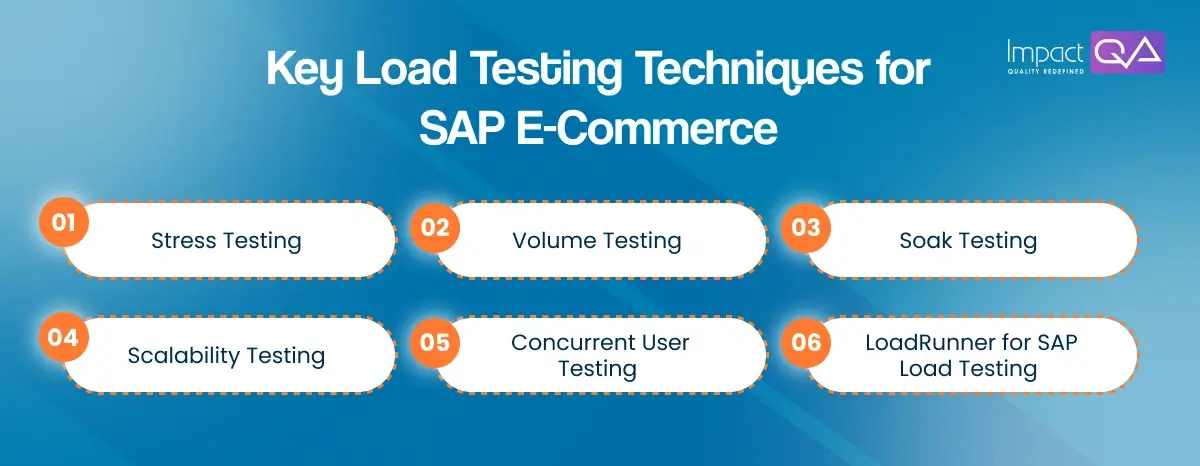
1. Stress Testing
Stress testing is a technique that pushes the SAP e-commerce platform to its limits by simulating extreme traffic conditions. The goal is to determine the system’s breaking point, allowing businesses to understand how much load the platform can handle before performance degrades. Stress testing helps identify vulnerabilities that could be exploited during peak usage times, such as Black Friday sales or product launches.
2. Volume Testing
Volume testing focuses on assessing the system’s ability to handle large volumes of data. This technique is particularly important for SAP e-commerce platforms that process extensive amounts of transactional data. By testing with a high volume of records, businesses can ensure that their SAP systems maintain performance levels even when handling significant data loads.
3. Soak Testing
Also known as endurance testing, soak testing evaluates the SAP e-commerce platform’s performance over an extended period. This technique helps identify issues related to memory leaks, database saturation, and other long-term performance problems. Soak testing is crucial for ensuring that the platform remains stable during prolonged periods of heavy use.
4. Scalability Testing
Scalability testing measures how well the SAP e-commerce platform can scale in response to increased load. This technique assesses the system’s ability to add resources, such as servers or processing power, without compromising performance. Scalability testing is essential for businesses planning to expand their operations or expecting a significant increase in online traffic.
5. Concurrent User Testing
Concurrent user testing evaluates the platform’s ability to handle multiple users simultaneously. This technique is critical for SAP e-commerce platforms that serve a large number of users at the same time, such as during major sales events. By simulating various user interactions, concurrent user testing helps ensure that the platform can manage high volumes of concurrent sessions without degradation in performance.
6. LoadRunner for SAP Load Testing
LoadRunner is a widely used tool for load-testing SAP applications. It allows businesses to simulate thousands of users accessing the system simultaneously, providing insights into how the platform performs under real-world conditions. LoadRunner’s integration with SAP makes it an ideal choice for businesses looking to conduct comprehensive load testing on their e-commerce platforms.
Best Practices for Implementing SAP CTRM
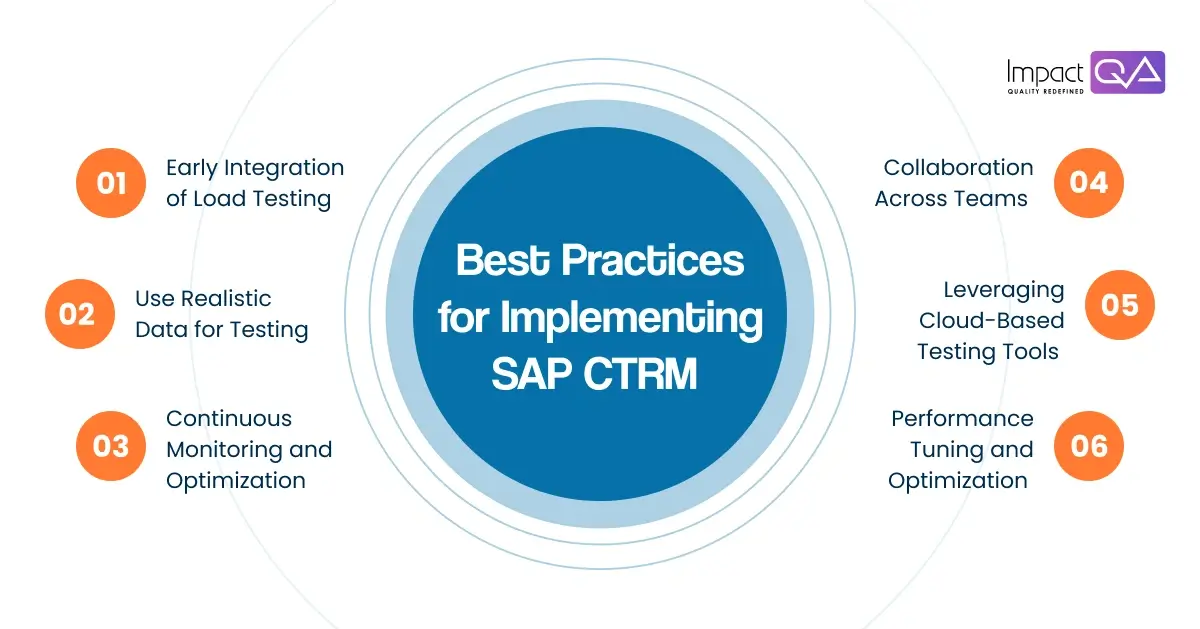
When implementing SAP CTRM, it’s important to follow best practices to ensure the system’s reliability and performance under load. Here are some key strategies to consider:
1. Early Integration of Load Testing
Incorporate load testing early in the SAP CTRM implementation process. This approach allows businesses to identify and address potential performance issues before they become critical. Early load testing also provides valuable insights into how the system will behave under different conditions, enabling more informed decision-making during the implementation process.

2. Use Realistic Data for Testing
When conducting load tests, use data that closely resembles what the SAP e-commerce platform will handle in production. This includes realistic transaction volumes, user behaviors, and data flows. Testing with realistic data ensures that the results are accurate and reflective of actual system performance.
3. Continuous Monitoring and Optimization
Load testing should not be a one-time event. Continuous monitoring and optimization are necessary to ensure that the SAP CTRM system remains performant as business needs evolve. Regular load tests help businesses stay ahead of potential performance issues and ensure that the system can handle changing demands.
4. Collaboration Across Teams
Successful SAP CTRM implementation requires collaboration across various teams, including developers, testers, and business analysts. This collaborative approach ensures that all aspects of the system are thoroughly tested and optimized for performance. By working together, teams can identify and resolve issues more quickly, leading to a more robust and reliable SAP CTRM system.
5. Leveraging Cloud-Based Testing Tools
Cloud-based load testing tools, such as BlazeMeter and JMeter, offer scalable and flexible options for testing SAP e-commerce platforms. These tools allow businesses to simulate a wide range of scenarios, from small-scale tests to large-scale simulations involving thousands of users. Cloud-based tools also provide the ability to test from multiple geographic locations, ensuring that the SAP platform performs well for users around the world.
6. Performance Tuning and Optimization
After conducting load tests, it’s essential to optimize the SAP CTRM system based on the results. This process involves tuning system parameters, optimizing database queries, and adjusting configurations to enhance performance. Regular performance tuning ensures that the system continues to meet performance benchmarks as it scales.
Challenges in Load Testing SAP E-Commerce Platforms
Load testing SAP e-commerce platforms is not without its challenges. These platforms often involve complex integrations, large datasets, and high levels of customization, which can make testing difficult. Some of the common challenges include:
1. Complexity of SAP Integrations
SAP e-commerce platforms often integrate with various other systems, such as CRM, ERP, and supply chain management tools. These integrations add layers of complexity to load testing, as the interactions between systems must also be tested for performance issues.
2. Handling Large Data Volumes
SAP e-commerce platforms typically handle large volumes of data, including customer information, transaction records, and product catalogs. Load testing these systems requires simulating large datasets, which can be resource-intensive and time-consuming.
3. Customization and Variability
Many businesses customize their SAP e-commerce platforms to meet specific needs, which can complicate load-testing efforts. Customizations may introduce unique performance challenges that standard testing tools and methodologies do not address.
4. Resource Intensive Testing
Load testing, especially at scale, can be resource-intensive, requiring significant computational power, storage, and network bandwidth. This can lead to high costs and extended testing times, particularly for large organizations with complex SAP environments.
Overcoming Load Testing Challenges
To overcome these challenges, businesses should adopt a strategic approach to load testing. This includes:
1. Prioritizing Critical Functions
First, focus on testing the most critical functions of the SAP e-commerce platform. By prioritizing these areas, businesses can ensure that the most important aspects of the system perform well under load.
2. Incremental Testing
Rather than attempting to test the entire system at once, adopt an incremental approach to load testing. This involves testing individual components or modules separately before conducting end-to-end tests. Incremental testing helps identify and resolve issues more quickly, reducing the overall complexity of the testing process.
3. Automating Load Tests
Automation is key to efficient load testing. By automating repetitive tasks, such as test script generation and execution, businesses can reduce the time and effort required for load testing. Automation also helps ensure consistency and accuracy in testing results.
4. Leveraging Performance Analytics
Use performance analytics tools to gain deeper insights into system behavior during load tests. These tools can help identify specific areas of the system that require optimization, enabling more targeted and effective performance improvements.
Conclusion
Load testing is an essential practice for ensuring the performance and reliability of SAP e-commerce platforms. By implementing the right load testing techniques, businesses can identify potential performance issues, optimize their systems, and ensure that their SAP e-commerce platforms can handle increased traffic and transaction volumes.
Furthermore, by following best practices for implementing SAP CTRM systems, businesses can build more resilient and scalable platforms that support their growth and success in the digital marketplace. As e-commerce continues to expand globally, the importance of load testing will only grow, making it a critical focus area for businesses looking to stay ahead of the curve and maintain high-performance standards for their SAP solutions.
Share this post


Related Posts
Our Case Studies